

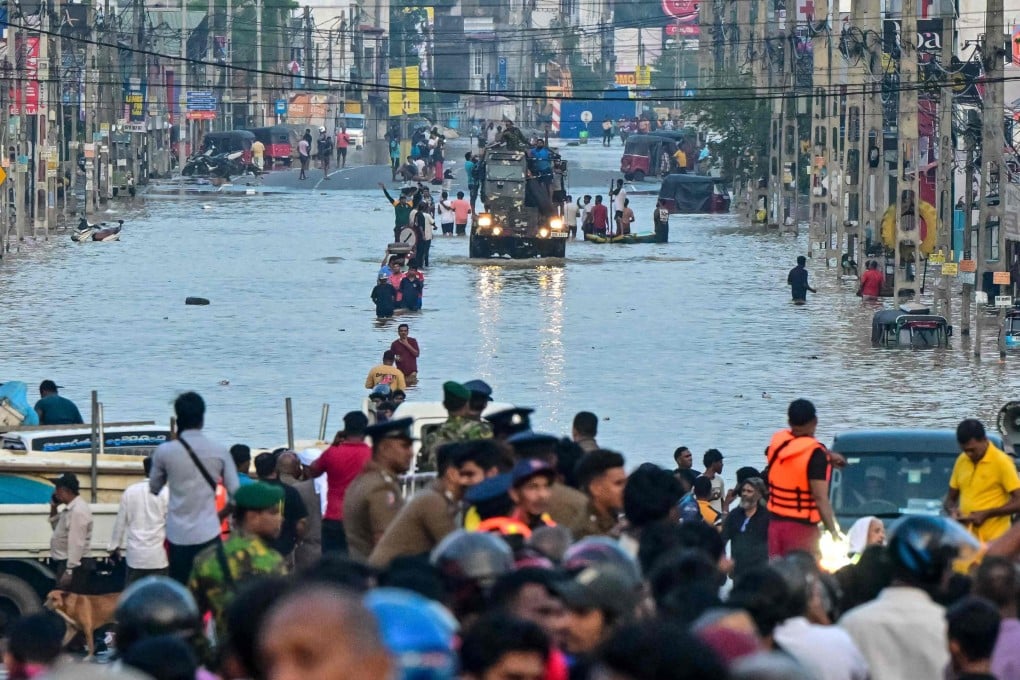
The floods and landslides sweeping through Sri Lanka in late November 2025, triggered by heavy monsoon-rain and Cyclone Ditwah have brought devastation across many regions. As the country begins recovery, we at Hopscotch feel it’s important to offer an honest, up-to-date picture for travellers keen to visit, support, or just stay informed.
🌧️ What’s Happened — Who’s Been Affected
- The hardest-hit zones are the central mountainous “tea-country” highlands — especially Badulla District and Nuwara Eliya District. These areas saw deadly landslides: more than 25 people died in a single night in those districts. Over 21 people are missing and many injured.
- Flood and overflowed rivers also struck low-lying, river-valley and suburban zones near the capital. Parts of Colombo — including suburbs around the valley of Kelani River (e.g. Kaduwela, Wellampitiya and surrounding neighbourhoods) — were inundated after the river swelled.
- The scale of the disaster is enormous: thousands of homes destroyed/damaged; many rivers and reservoirs overflowing; roads, bridges, and railway lines blocked or damaged; entire communities displaced.
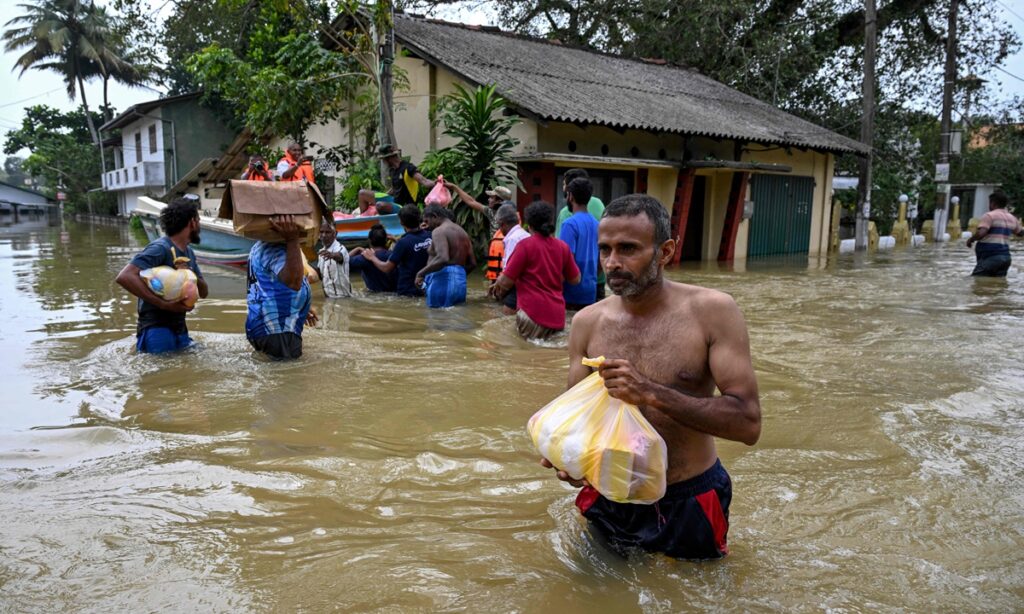
- According to official reports, over 40,000 families across many districts have been affected; rescue and relief operations are underway; temporary shelters have sprung up; but homes, infrastructure, and farmland are still reeling.
In short: central highlands + tea-country + river-valley suburbs around the capital = worst flood hit. Areas like Badulla, Nuwara Eliya, and low-lying zones near Kelani River are currently unstable or hazardous.
✈️ What This Means for Foreign Tourists & Travellers
If you were thinking of visiting Sri Lanka soon or already have travel plans, here’s how things may be affected, and what you should keep in mind:
- High-risk zones should be avoided for now. Mountainous tea-country (Badulla, Nuwara Eliya, etc.), where landslides occurred and routes are blocked and are currently unsafe for travel.
- Transport & access may be disrupted. Many roads and railway lines are damaged or blocked. Travel between regions, especially to hill country, may be difficult or impossible until repairs complete.
- Even around the capital, caution is needed. Suburban areas near rivers are flood affected. Some accommodations may be closed, services disrupted (power, water, transport). If you stay in Colombo or suburbs, check with your hotel or local contacts before travelling.
- Tourism infrastructure and schedules will be disrupted. Rescue and relief efforts take priority. Some popular tourist routes or scenic areas might be closed temporarily for safety or repair.
- The situation remains fluid. Heavy rains may continue, rivers/reservoirs could overflow again, and landslide risk persists in hillsides. Always check local advisories, weather warnings, and ground reports before travelling.
⚠️ In other words: now is not the time to treat Sri Lanka like “business as usual.” Travel, if you go, you must be responsible, flexible, and informed.
🤝 How Visitors & the Global Community Can Help
As tragic as this disaster is, there’s a way travellers can help: with empathy, purpose, and responsibility:
- If you can, travel when safe again — your visit helps. Tourism is a vital part of Sri Lanka’s economy. When certain areas recover and open, choosing to travel supports local businesses, small guesthouses, tour guides, restaurants, artisans, many of whom will be severely affected by lost income.
- Support relief efforts consciously. Donate to or volunteer through credible & trusted charities and aid organisations working in flood- and landslide-affected zones such as https://floodsupport.org/. Help where it’s needed: shelter, food, medical supplies, rebuilding.
- Stay informed, stay safe. Before planning or continuing travels, monitor local news, weather, and official alerts (e.g. from local disaster-management authorities). Avoid high-risk zones until clearance is given.
- Choose community-oriented travel. When tourism resumes, consider staying in locally owned accommodations, choosing small-scale tours, and buying from local vendors. That directs economic support exactly where it’s most needed.
- Respect recovery efforts. Aid workers, volunteers, and locals are doing their best under difficult circumstances. Be empathetic, avoid “tourism as usual” while the country is still healing.
💛 Hope for the Future, Sri Lanka Will Rise Again
Sri Lanka has always shown remarkable resilience from recovering after past natural disasters to standing tall amid economic hardships. The floods and landslides of 2025 are a severe blow, but the spirit of community, generosity, and determination lives strong.
We at Hopscotch believe: soon enough, Sri Lanka will reopen its arms, its green hills, tea estates, golden beaches, historic sites, vibrant culture, and warm hospitality. When that day comes, travellers returning won’t just find a beautiful country: they’ll find a nation that rose again, stronger and more united.
Until then, to all who lost, who are displaced, who are rebuilding: we stand with you. To travellers around the world: with patience, empathy, and support, we’ll get through this together.