

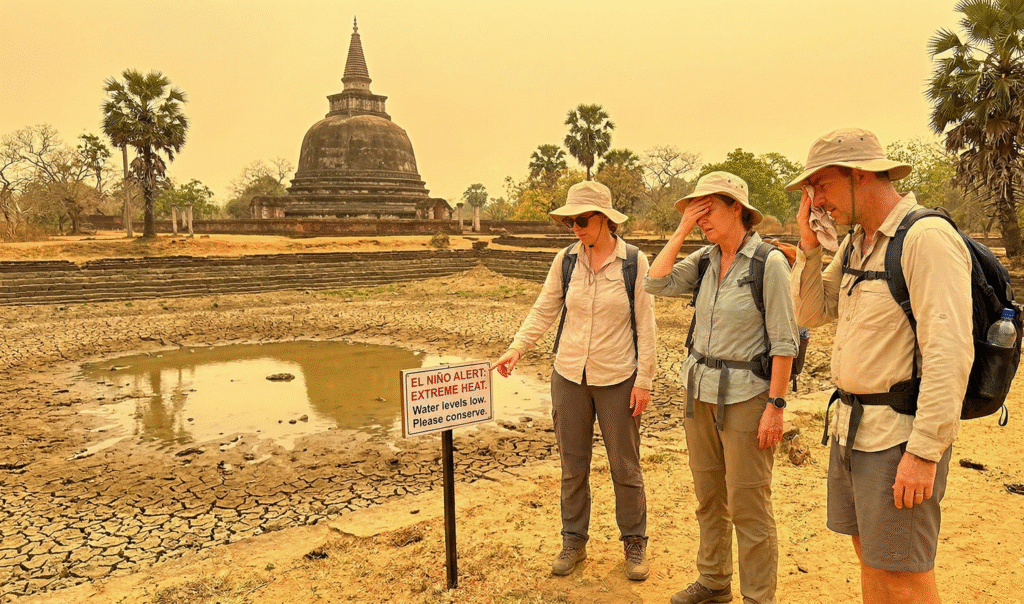
Sri Lanka is currently experiencing a significant temperature surge. As of March 2026, the Department of Meteorology has issued repeated “Amber” heat advisories across the Western, Southern, Sabaragamuwa, and North Central provinces.
This is not just typical tropical heat. It is linked to a combination of inter-monsoon conditions, high humidity, reduced wind speeds, and regional climate patterns influenced by El Niño.
For travelers, the Heat Index (feels-like temperature) is frequently reaching 40°C to 44°C (104°F to 111°F). Understanding how to adapt your travel routine is essential for both safety and comfort.
1. The 11 to 4 Rule
According to Sri Lanka’s Department of Meteorology, the most dangerous window for heat exposure is between 11:00 AM and 4:00 PM, when solar radiation and humidity peak.
The smarter travel schedule
- Start your day early, ideally by 6:00 AM to 6:30 AM
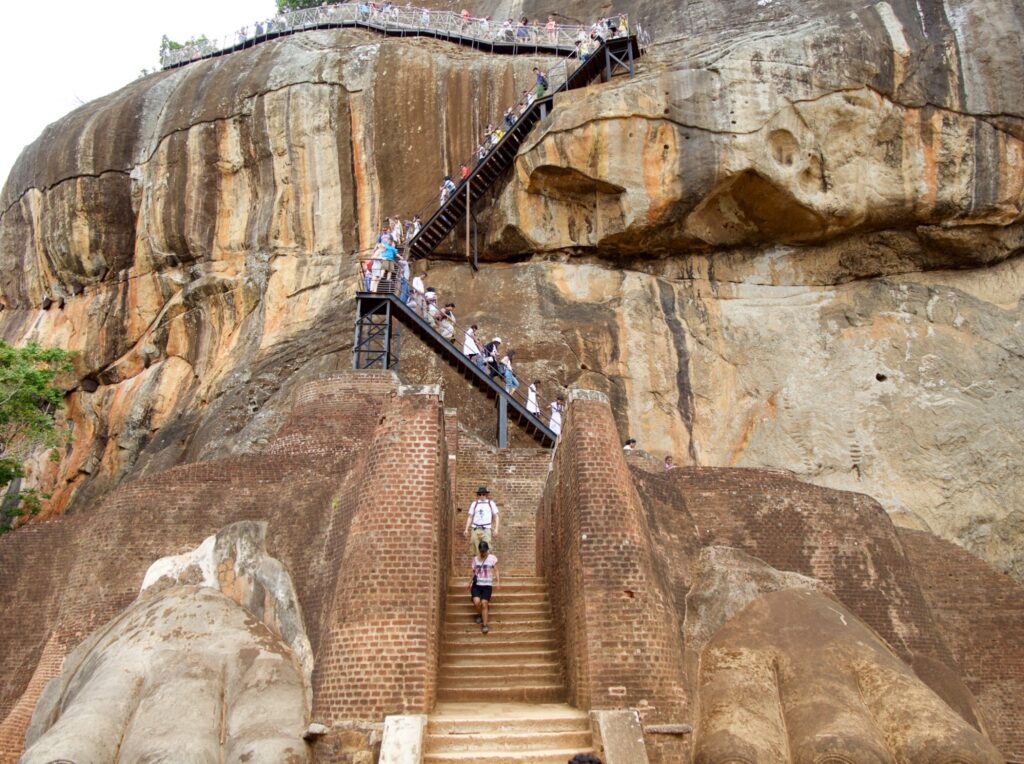
- Visit major outdoor attractions such as Sigiriya, Polonnaruwa, or national parks before 10:30 AM
- Plan sunset activities after 4:30 PM
The midday pivot
Use the hottest hours for:
- Indoor attractions and museums
- Long lunches or café breaks
- Hotel downtime or poolside rest
- Air-conditioned transfers between destinations
Avoid strenuous activities such as hiking, cycling, or long beach walks during this period.
2. Hydration: The “Thambili” Strategy
High humidity, often above 75 to 85 percent, reduces the body’s ability to cool itself through sweat. This increases the risk of dehydration and heat exhaustion.
Local hydration advantage
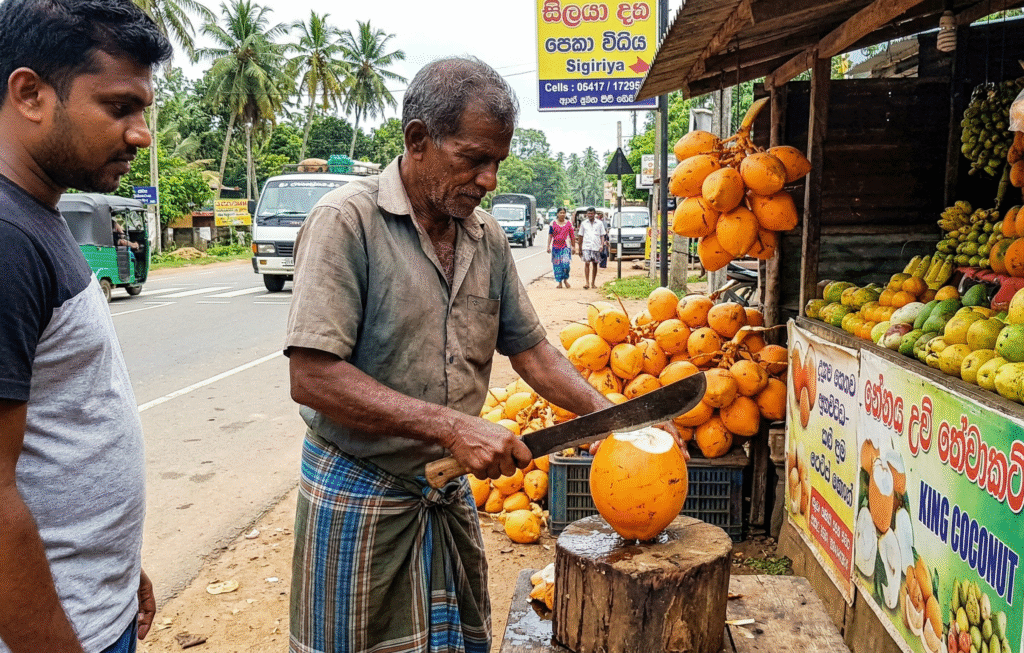
King coconut (Thambili) is one of the most effective natural rehydration options available. It contains:
- Potassium for muscle function
- Sodium to replace lost salts
- Natural sugars for quick energy
Aim to drink one to two king coconuts per day, especially after outdoor activities.
Go beyond water
- Carry oral rehydration salts (ORS), widely available at pharmacies and supermarkets
- Alternate between water and electrolyte drinks
- Avoid excessive caffeine and alcohol during peak heat hours
3. Wardrobe: Breathability Matters More Than Style
In extreme humidity, clothing choice directly affects how your body regulates temperature.
What works best
- Lightweight cotton and linen fabrics
- Loose-fitting clothing that allows airflow
- Light colors that reflect sunlight
What to avoid
- Tight synthetic or polyester “dry-fit” clothing for all-day wear
- Dark colors that absorb heat
- Heavy backpacks that trap heat on your back
While performance fabrics work in dry climates, they often struggle in Sri Lanka’s humid conditions and can lead to discomfort or heat rashes.
4. Recognizing Heat Stress Early
Heat-related illnesses can escalate quickly if ignored.
Warning signs to watch for
- Dizziness or lightheadedness
- Headache or nausea
- Excessive fatigue
- Muscle cramps
- Reduced sweating despite heat
If symptoms appear:
- Move to shade or an air-conditioned space immediately
- Drink fluids with electrolytes
- Rest until symptoms fully subside
For emergencies, travelers can contact the Sri Lanka Tourism Development Authority (SLTDA) tourist hotline (1912) for assistance.
5. Smart Destination Planning During Heatwaves
Certain regions feel the heat more intensely.
Higher heat zones
- Cultural Triangle (Sigiriya, Dambulla, Polonnaruwa)
- Inland dry zones like Anuradhapura
Cooler alternatives
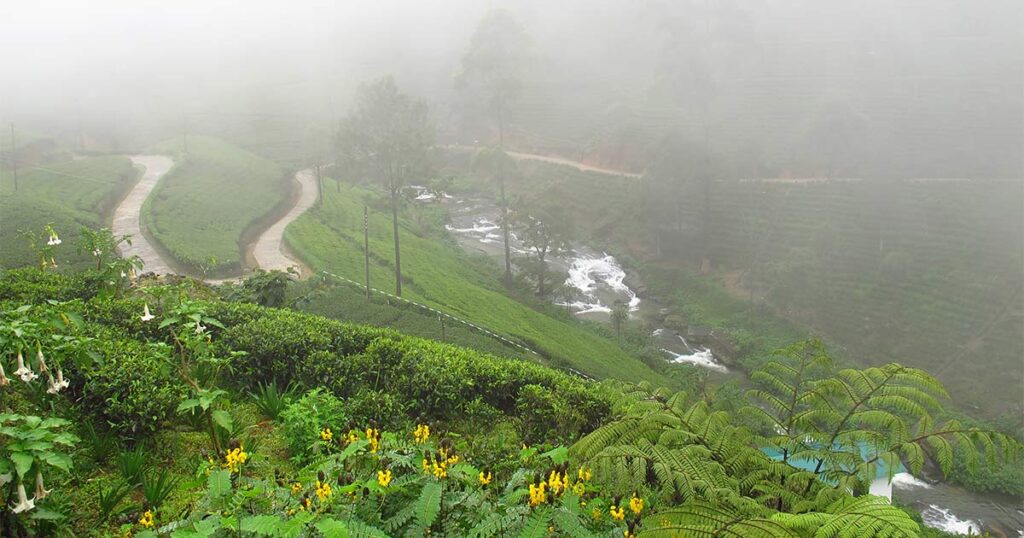
- Hill country areas such as Nuwara Eliya and Ella
- Coastal regions with stronger sea breeze, especially the south coast
Balancing your itinerary with cooler destinations can make a big difference in overall comfort.
Final Thoughts
Sri Lanka remains an incredible destination even during heatwaves, but the key is adapting your travel rhythm.
Start early, rest midday, hydrate properly, and dress smart. With these adjustments, you can still enjoy everything the island offers without compromising your safety.
Stay Cool, Travel Smart
Avoid unnecessary exposure and travel in comfort.
👉 Book a temperature-controlled private transfer with Hopscotch Travels and explore Sri Lanka safely, even during peak heat conditions. Contact Hopscotch Travels.