

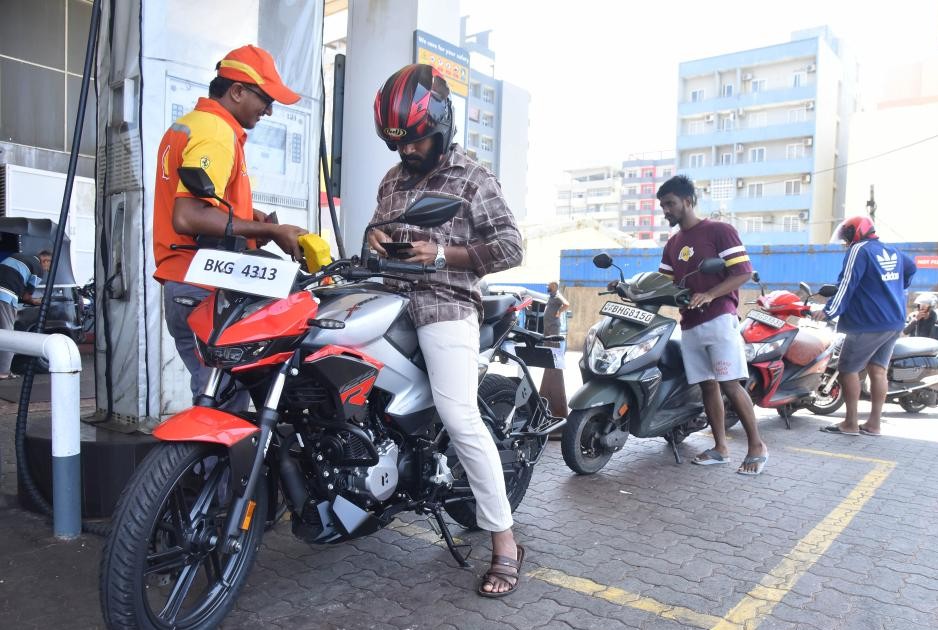
The global economic landscape in 2026 has introduced new challenges for travel across South Asia. Rising energy costs and geopolitical tensions have impacted fuel prices in Sri Lanka, with noticeable effects on transport and logistics.
As of March 2026:
- Petrol (92 Octane) is approximately 398 LKR per liter
- Diesel is around 382 LKR per liter
While this may sound concerning, Sri Lanka continues to offer strong value for money compared to many global destinations. Here is how these changes realistically affect your travel budget.
1. Fuel Availability and the QR System
To manage fuel distribution efficiently, Sri Lanka has previously implemented a National Fuel Pass system (QR-based allocation).
What this means for travelers
- Tourism vehicles registered with the Sri Lanka Tourism Development Authority receive priority access to fuel
- Licensed drivers are able to operate without long queue delays
- Travel disruptions for tourists are minimal when using registered providers
Key tip
Always book transport through a licensed travel agency or SLTDA-registered driver. This ensures:
- Reliable fuel access
- Regulated pricing
- Safer travel standards
2. Transport Costs: What Has Actually Changed
Fuel increases have led to moderate price adjustments, especially in private transport.
Private transport
- Expect a fuel surcharge on taxis and private vans
- Daily driver rates may fluctuate depending on distance and fuel costs
Public transport remains stable
Sri Lanka’s public transport system continues to be heavily subsidized.
- Train fares remain very affordable
- Long-distance buses are still one of the cheapest ways to travel
Smart budget strategy
- Use trains for scenic and long-distance routes
- Combine trains with short private transfers for flexibility
If you are planning rail travel, check out our detailed train booking guide for 2026.
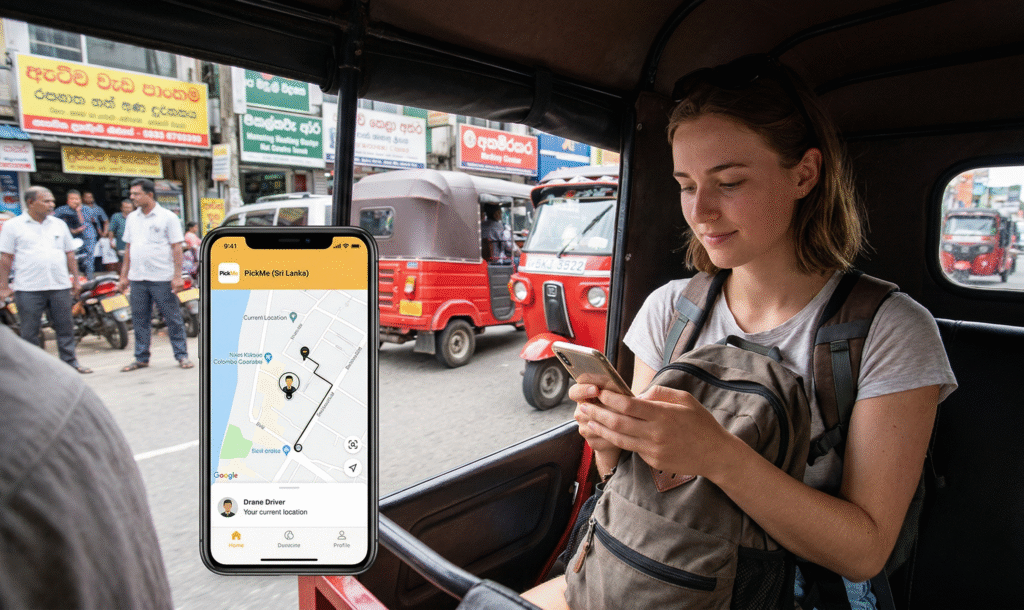
3. Tuk-tuks and Ride Apps
Three-wheelers remain widely available, but fares have increased slightly.
Best practices
- Use apps like PickMe or Uber for transparent pricing
- Avoid negotiating blindly without a fare reference
- Confirm the price before starting your ride if booking manually
Short-distance rides are still relatively affordable, especially compared to Western countries.
4. The 4-Day Work Week Effect
To manage energy consumption, Sri Lanka has occasionally introduced a 4-day work week for parts of the public sector.
Impact on travelers
- Banks and government offices may have limited operating days
- Administrative processes such as permits or documentation could take longer
What remains unaffected
- Major tourist attractions
- Hotels and restaurants
- National parks and guided tours
Tourism remains a priority sector, so most travel experiences continue without disruption.
5. Where You Feel the Price Increase Most
Not all parts of your trip are equally affected.
More affected
- Private transport and fuel-dependent tours
- Imported goods such as alcohol and luxury items
Less affected
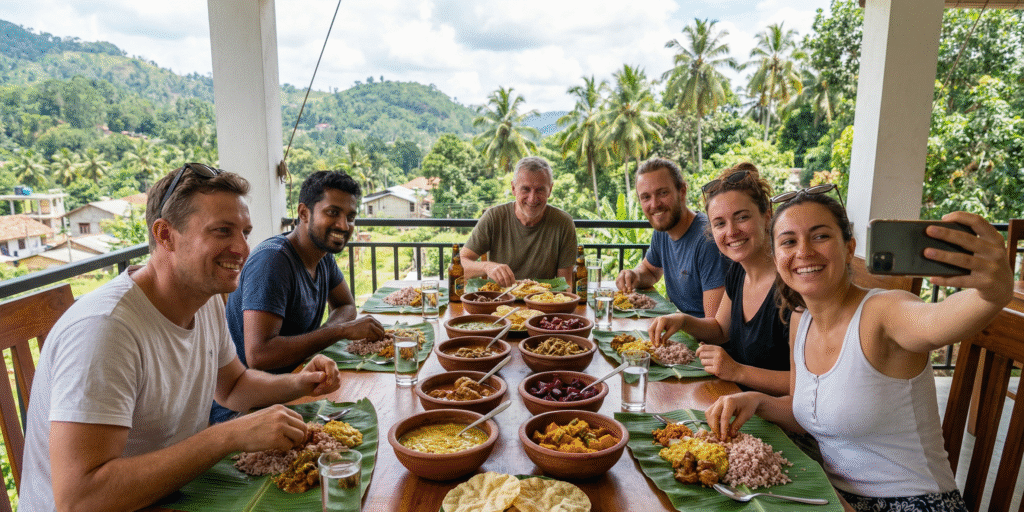
- Local food and street food
- Train travel
- Locally owned accommodations
Choosing locally run businesses can help you avoid inflated costs tied to imports.
6. Why Sri Lanka Still Offers Excellent Value
Even with rising fuel costs, Sri Lanka remains competitively priced due to:
- A favorable exchange rate for USD, EUR, and GBP
- Affordable food and accommodation
- High diversity of experiences within short distances
Compared to destinations like Thailand or parts of Europe, Sri Lanka still delivers more variety per dollar spent.
Final Thoughts
While fuel price increases have slightly raised transport costs, they have not changed the overall affordability of traveling in Sri Lanka.
With smart planning and the right travel choices, you can still enjoy a high-quality experience without overspending.
Travel with Price Certainty
Avoid fluctuating costs and last-minute surprises.
👉 At Hopscotch Travels, we offer fixed-price travel packages that stay stable even if fuel prices change.
Get your personalized fixed quote and plan your Sri Lanka trip with confidence.